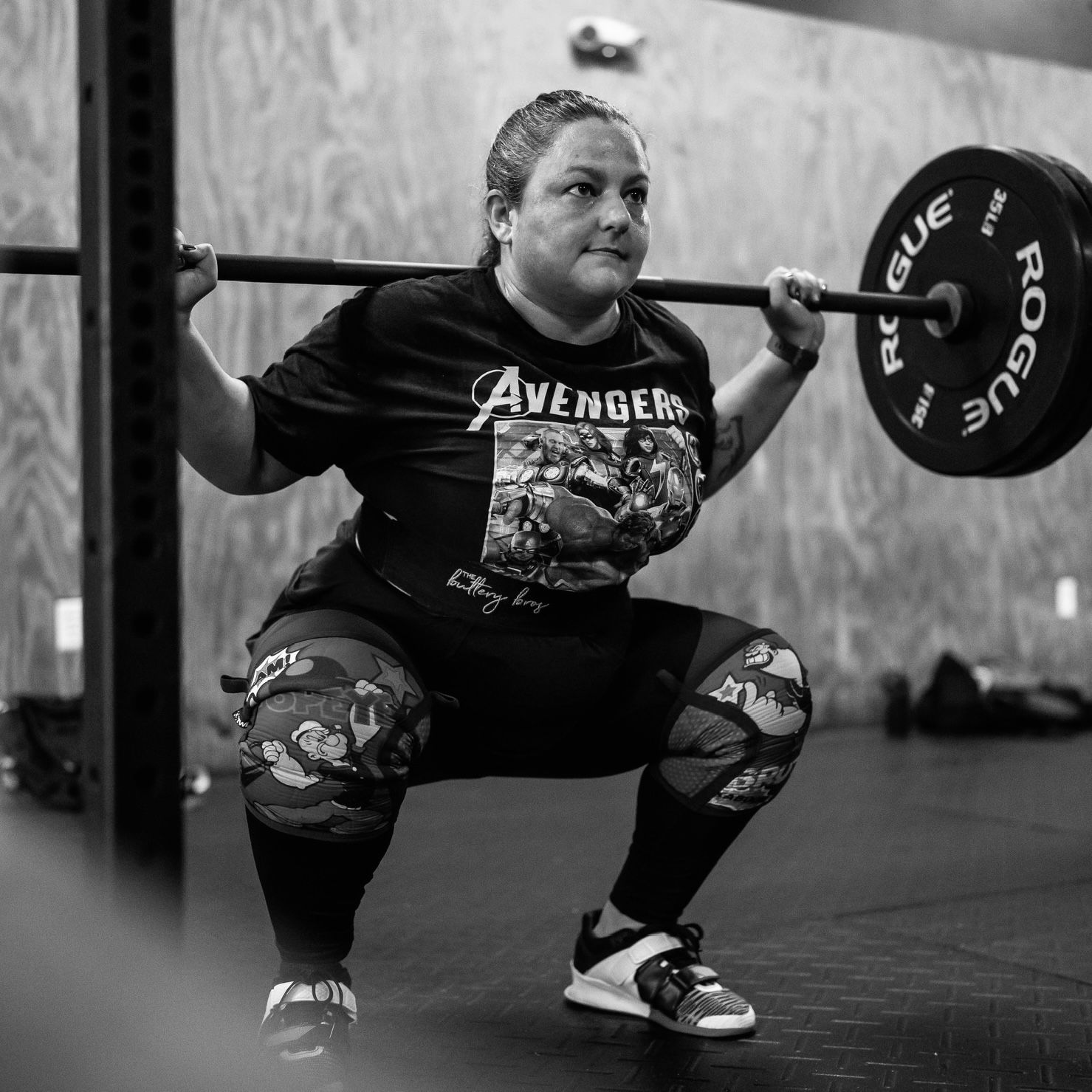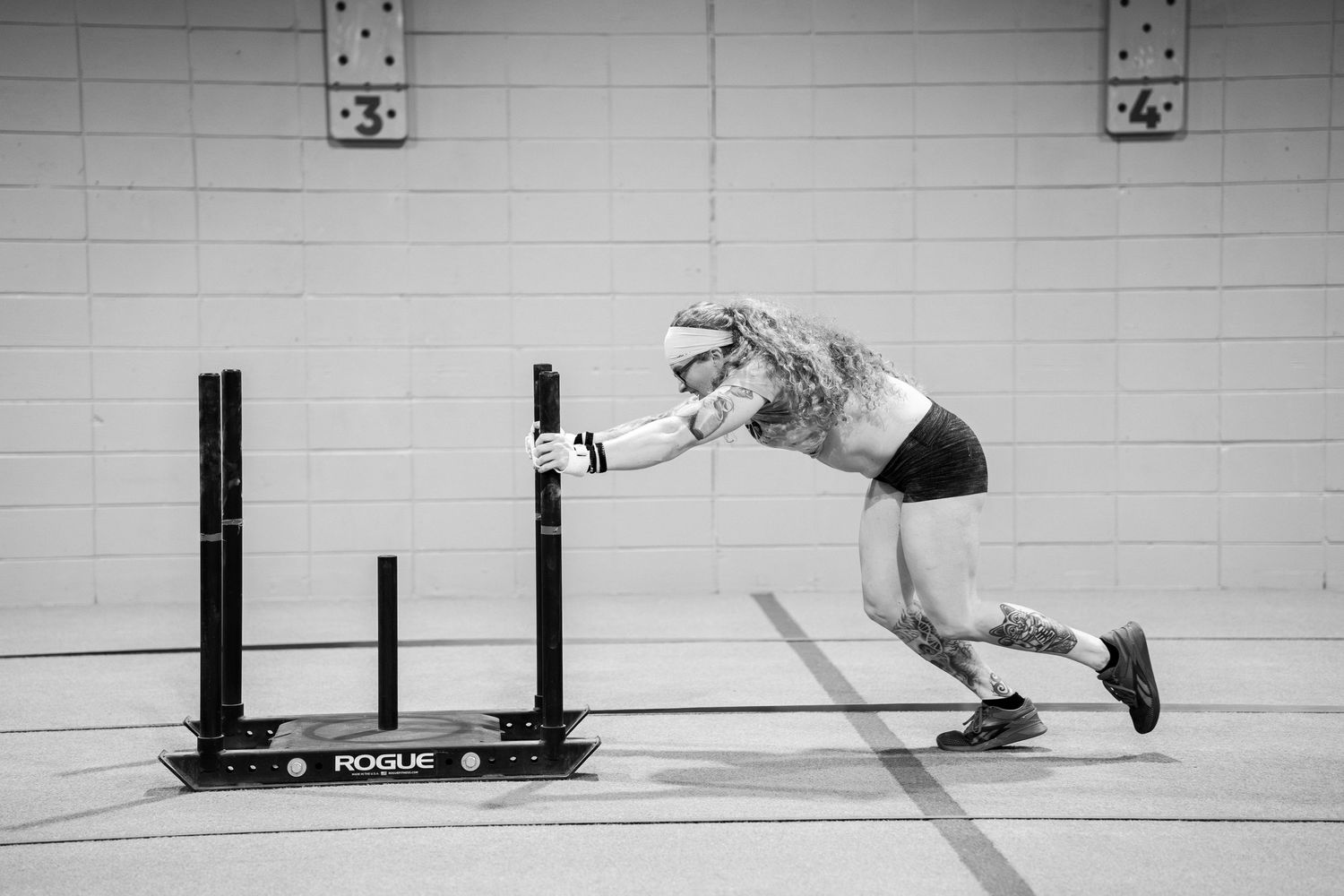
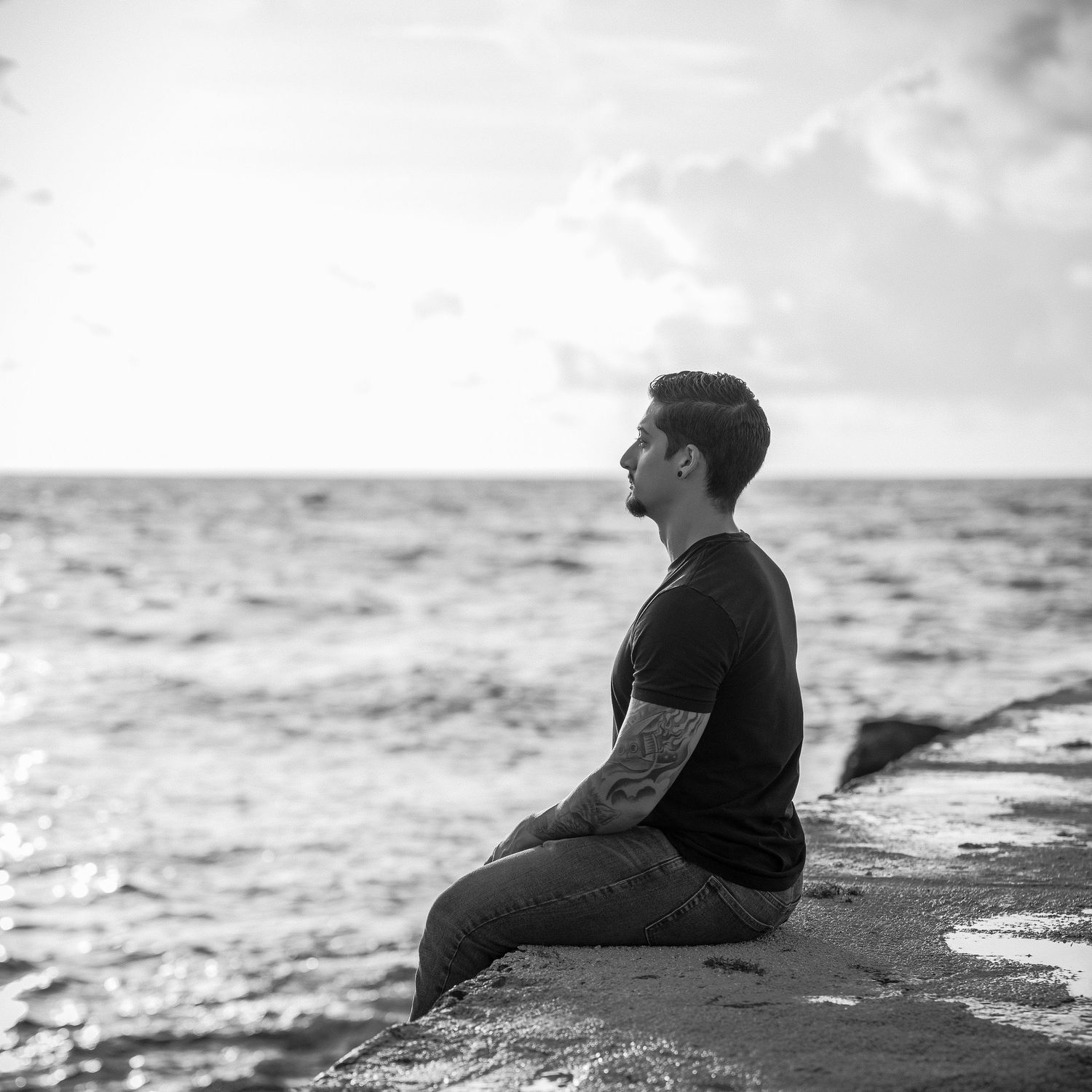
Day 1: What is my goal with this series?
To capture the authentic, human side of mental health. I aim to showcase raw emotions and create content that inspires and offers hope to those who may be struggling, to one day share a piece of their story.
While this series isn't about me, I believe it's essential to provide some context. So, here's my story: I am a survivor of sexual abuse and have endured significant trauma throughout my upbringing. My traumas manifested in various ways, from outbursts of rage and tantrums to bouts of melancholy and a sense of hopelessness. I have been clinically diagnosed with PTSD and Major Depressive Disorder. While I don't allow these diagnoses to define me, they give a name to the challenges I face.
I used to believe that depression could be corrected simply by adjusting one's mindset, thinking I could "get over it." Ironically, I was exhibiting all the signs and symptoms of someone with a mental illness. I was never taught how to recognize them or that it was okay to express my feelings. It wasn’t until I read stories from other people, that I decided to seek help for myself. Seeing the vulnerability displayed by others as they openly shared their experiences, not just for their own sake but with the hope of aiding those facing similar challenges, eventually inspired me to open up about my own journey.
I now feel that I'm in a place where I can do the same for others and aim to create something powerful — to share our stories through photography. From our darkest moments and daily challenges to our breakthroughs and successes, I want to capture it all.
Ultimately, my goal is to break down the stigma surrounding mental health, foster understanding, and celebrate the strength and beauty of those living with mental illness.

Day 2: Isolation
Depression often plays mind tricks, convincing us we're beyond help. I recently received messages that painfully echo this internal struggle:
🗨️ 'I've had people tell me depression was fake, which is 100% not true.'
🗨️ 'It's just in your head, and they don't think it's a real illness like any other, believing treatment won't help.'
Comments like these can further isolate someone already struggling, pushing them deeper into the darkness they're trying to escape. The truth is, mental illness is as real as any chronic disorder. Depression isn't an imaginary invention; it deserves the same compassion and understanding we offer for physical ailments. Just as we wouldn't dismiss someone with high blood pressure by saying it's all in their head, we should never belittle mental disorders in the same way. Remember: the truth is, we're never alone; countless others are fighting the same battle.

Day 3: Treatment
Treatments for mental disorders differ from person to person, and the duration of treatment can vary significantly as well.
Some may recover from a bout of anxiety in only a few weeks with the help of therapy, while others may needs months if not years of medication along with more complex and aggressive types of therapy, such as EMDR (a form of therapy that involves using bilateral stimulation, either in the form of visual movement or vibrations. This is very effective for PTSD as it helps to “re-wire” your trauma and how it impacts you).
Treatment is often not easy or immediate but it does work. The key is to be patient with whatever treatment method is recommended for you and what you’re going through. It might take going through therapists in order to find the one that you connect with or trying a variety of different medications. Also just speaking with the ones that you really trust (spouse, friend…etc) can help. Putting into words what your going through may be all the treatment that you need.
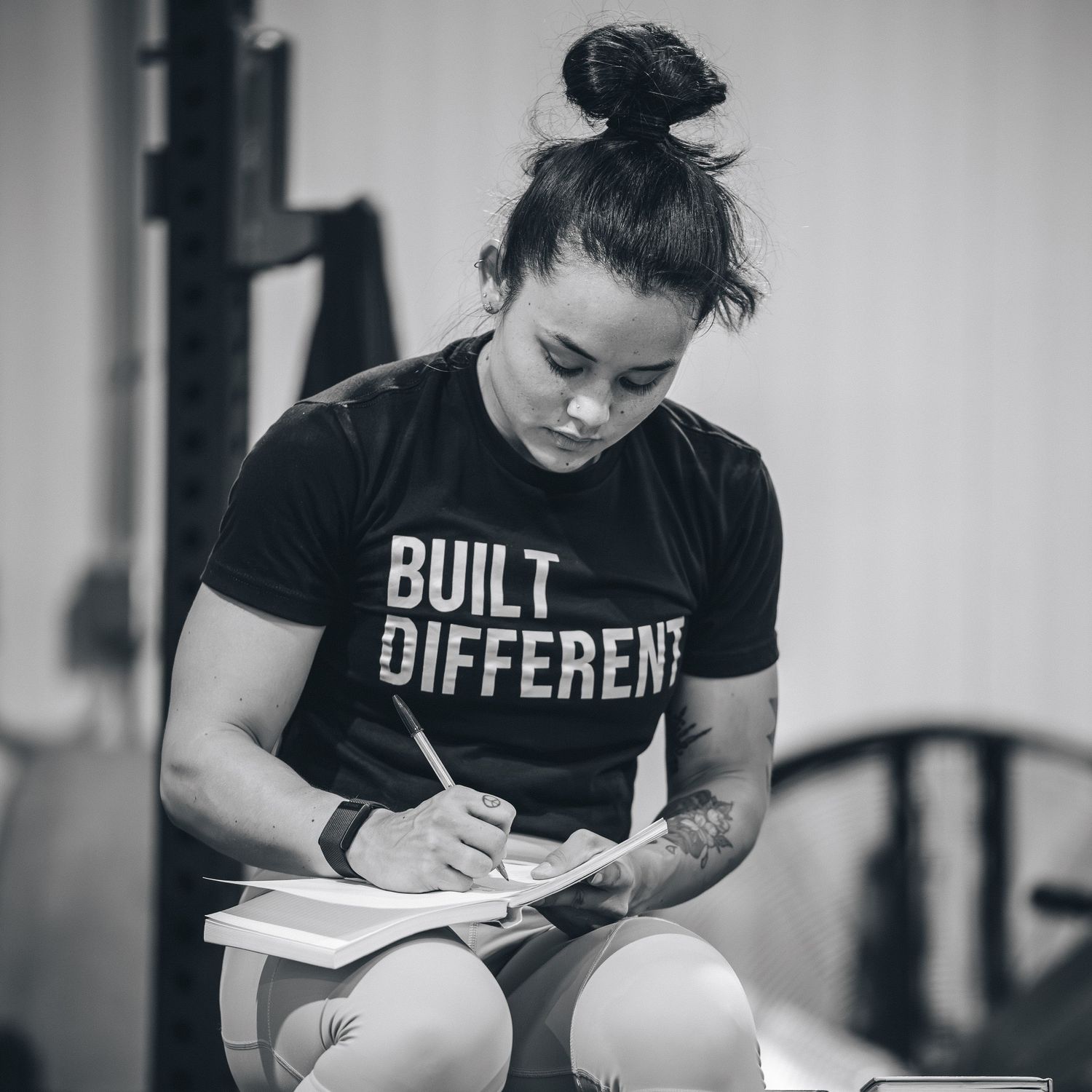
Day 4: Coping tools
In our journey toward better mental health, there are two sides of the coin: professional treatment and our daily actions. Life doesn't pause for our suffering, and we still need to manage our responsibilities, from paying bills to work and parenting. So, how can we confront our triggers while juggling these demands? The answer lies in developing effective coping strategies, which start with being mindful of our emotions and regaining control over them. Here are some common coping strategies that can be immensely helpful:
1. Journaling: Writing down your thoughts can be cathartic. It allows you to identify patterns, triggers, & helps you gain insight into your mental state.
2. Meditation and Breathing Exercises: These practices help us stay present and aware of our thoughts and emotions. They provide a space to process feelings and gain control over impulsive reactions. Focusing on your breath can ground you in the present.
3. Positive Affirmations: Replace negative self-talk with positive ones. Repeating affirmations like "I am strong" or "I can overcome challenges" can boost self-esteem.
4. Social Support: Talking to someone you trust can provide emotional relief and a fresh perspective on your struggles.
5. Physical Activity: Regular exercise releases endorphins, which are natural mood boosters. Even a short walk can make a difference. Also, eating healthy can positively impact your mental well-being.
6. Creative Outlets: Engaging in creative activities can be therapeutic. They offer a channel to express emotions and find solace.
7. Time Management: Organize your tasks and priorities to reduce stress. Break larger goals into smaller, ones to avoid feeling overwhelmed.
8. Professional Help: Sometimes, coping on your own isn't enough. Don't hesitate to reach out to a therapist for guidance and support.
Remember, these are just a starting point. Everyone's toolkit is unique. The key is to choose strategies that promote your well-being and avoid harmful ones.
Be patient with yourself.
Day 5: Solitude
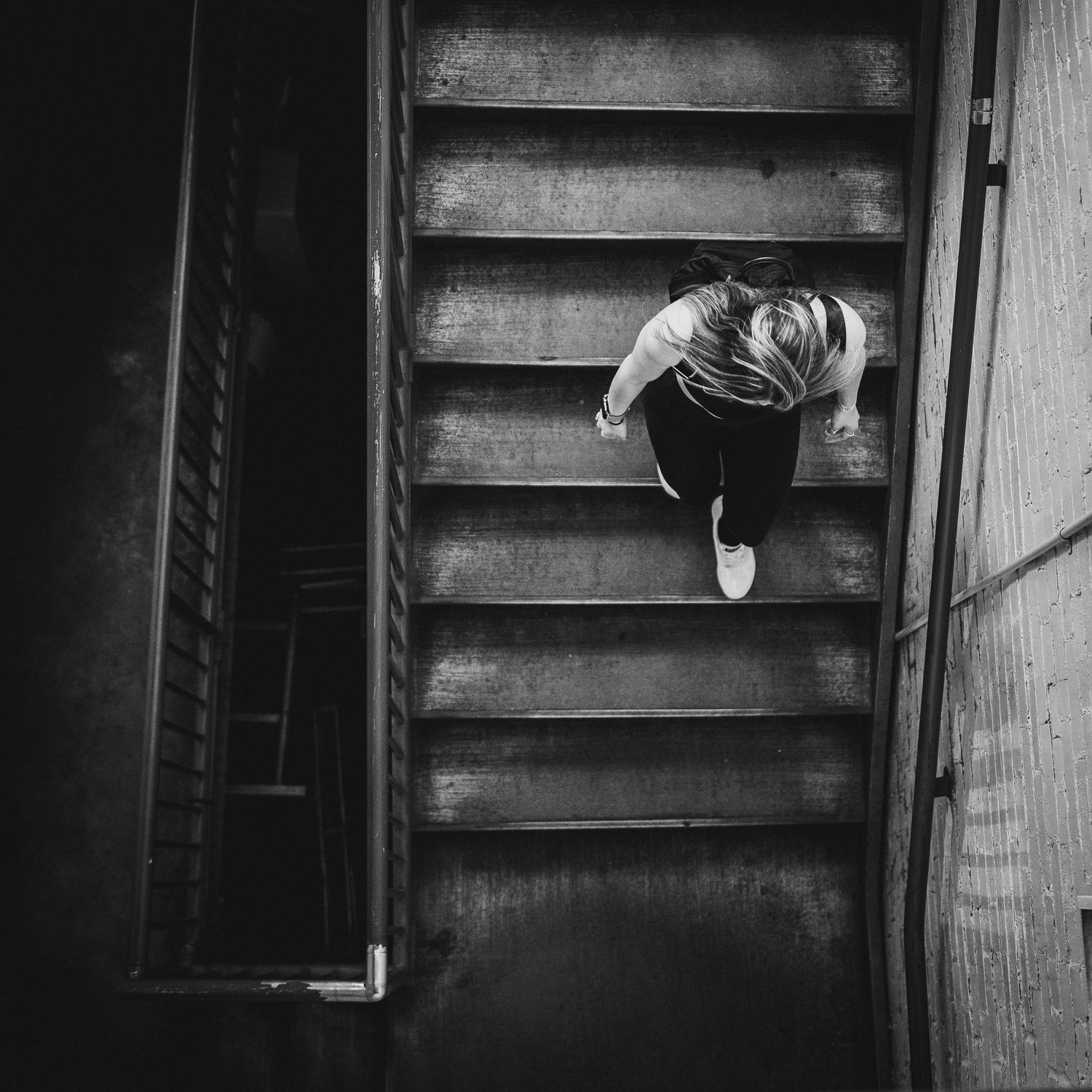
Solitude often feels like being surrounded by people, yet somehow, you're more alone than ever. It's like you're at a never-ending party where everyone seems to be having a blast, and you're just there, blending in with your mask and your practiced smile. You put on that mask, play the part, and try to fit in seamlessly, even when you feel like you're on the outside of it all. You've mastered the art of fitting in, concealing the loneliness that's been your constant companion. It's funny how a crowded room can be a metaphor for the entirety of your existence. The room becomes a symbol of your life, always filled with people but feeling emptier than ever.
The feeling of solitude can be sneaky that way, making you question whether you truly belong, even when you're surrounded by a crowd. But here's the thing: there's hope. Seeking help, opening up, and putting coping tools into practice can gradually transform that crowded room and bring warmth to your life, making it a place where you truly belong.
Day 6: Isabella
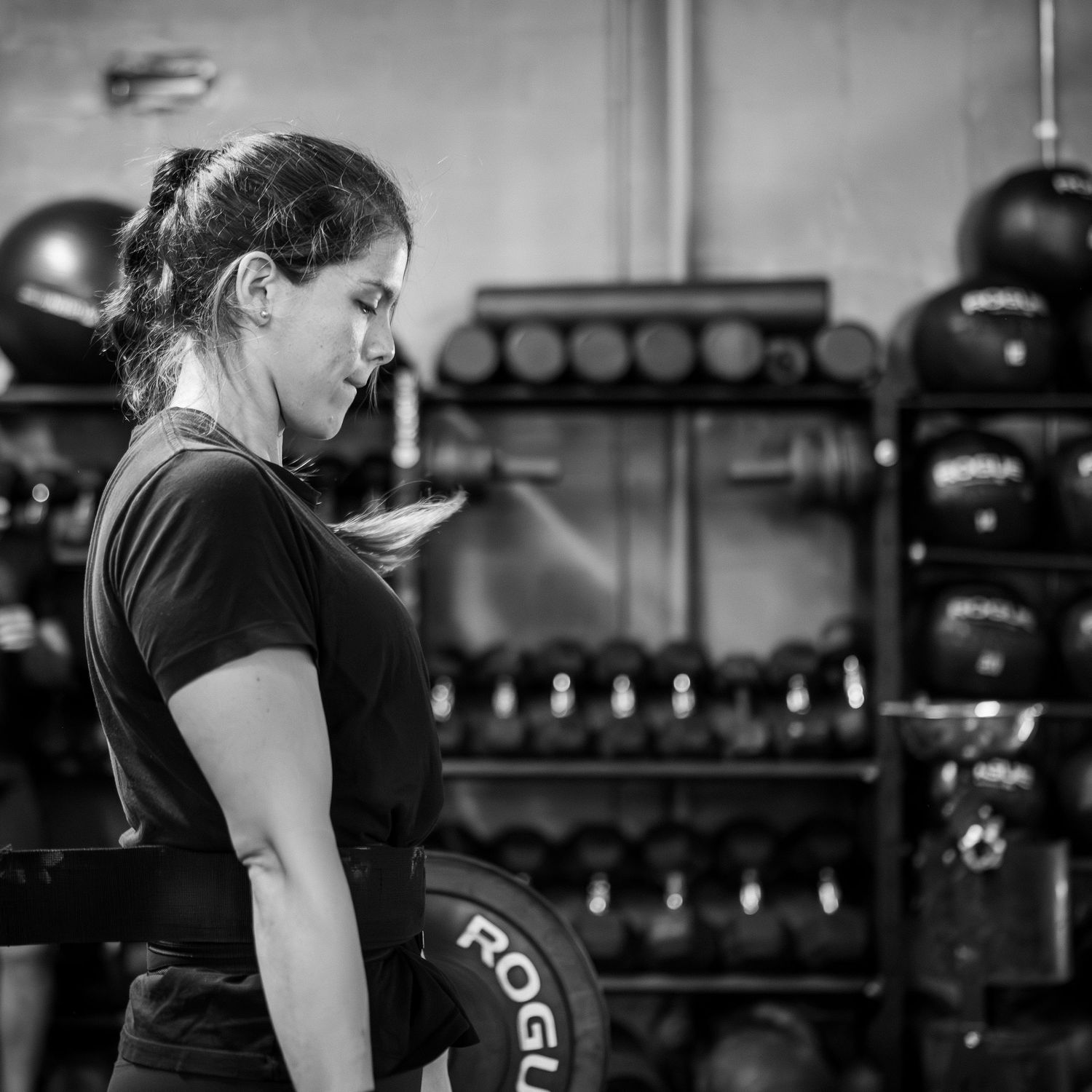
I think now we live in a world where words are the echo of a creation that can both harm and heal you. In my case, they became the supposed path I had to follow, a social mandate, an empty soul, a direction that without knowing led me to live an insane relationship with myself and my body.
They call it Anorexia; I call it the greatest challenge I’ve had to overcome. Knowing and accepting that I needed help was difficult to admit. Sometimes, we believe teenagers only have "temporary problems." But in reality, no matter how small, some things can mean a lot and can turn into a monster of weaknesses. We are exposed to a world full of millions of people who think differently and we have to learn to live in it.
Over 4 challenging years, filled with doctors, treatments, and ups and downs, I learned that we should try to fill ourselves with things that strengthen us mentally. Mental health is extremely delicate and it can be influenced by words, actions, or even images, whether they come from magazines, TV ads, or the world of social media, which often doesn't prioritize our well-being. We have to strengthen ourselves first to be able to receive all those messages.
Eating disorders are primarily triggered by negative feelings, destructive comments, self-criticism, and loneliness. This leads to concerns about body weight, overtraining, food, clothing, and appearance. Both men and women are increasingly suffering from these disorders, significantly increasing the number of people affected. Sadly, this can be hidden for months or even years with the power of persuasion over friends and family, causing everyone to fall into the same trap.
I can say today I have regained the weight I needed to be healthy and even gained some extra kilos. The process was very difficult, being afraid of food was inevitable; carbohydrates were my worst enemies, although I now handle the food aspect much better, I can't deny that I still struggle with feelings of guilt about what I eat. However, I manage it well enough to avoid going to extremes again. I feel stronger and happier now and I think that every day is a possibility to fall or grow, it all depends on us.

Day 7: Support
Support comes in all shapes and sizes, and it doesn't always wear a white coat or come from a therapist's office. Whether it's a chat with a friend, a heart-to-heart with a family member, the unconditional love from a pet, or even finding solace in a good book or a scenic walk, it all counts.
@tonyfacchini , who is pictured, shared his thoughts on this photo:
Nothing worth having ever comes easy. When we set out to qualify for the CrossFit games we knew we’d experience adversity. With our backs against the wall on the final event we did just enough to earn the final qualification spot.
But this image means more than just a Games ticket. This image shows the belief we had in each other from day 1. After hearing our team name on the loudspeaker, all the dedication, hard work, and sacrifice finally paid off. But we wouldn’t have been able to accomplish this without each other. Without our team.
“If you want to go fast, go alone. If you want to go far, go together.”
Day 8: Unfiltered Version of Suicide Awareness
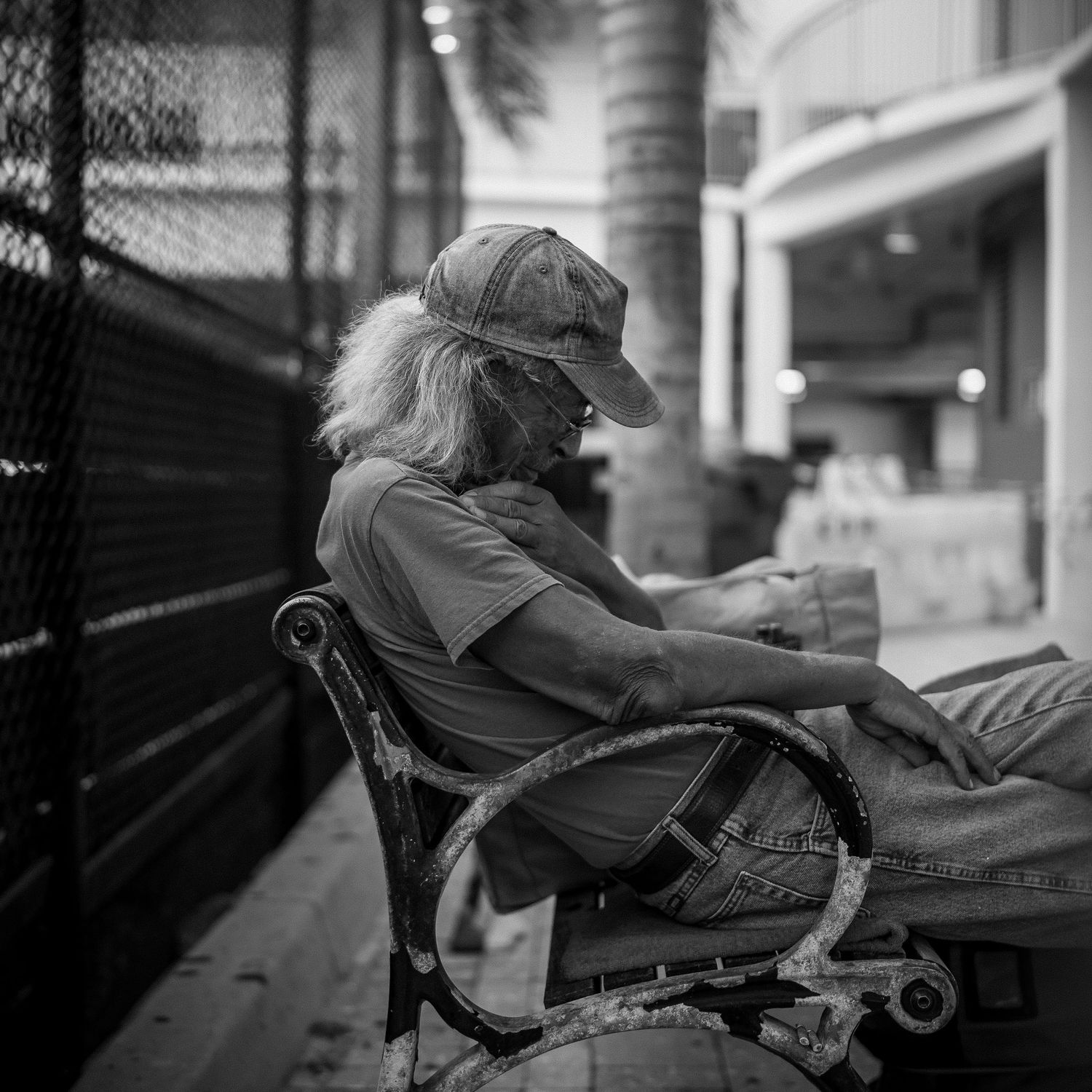
Suicide awareness, in recent years, has improved on shining a light on an issue that has long been stigmatized and pushed aside in silence. While this has increased some understanding, it is crucial to view the flaws within our current society and identify what loved ones can do to prevent such tragic outcomes. The truth about suicide often involves confronting uncomfortable realities, but it is only through this lens that we can learn how to save others.
Societal Flaws & Hard Truths:
1. Stigma Persists: Despite progress, the stigma surrounding mental health and suicide remains. Many of those who have attempted, face shame and judgment from others, even to the point that I've been told not to let others know about the attempt because it will cause them to look at me differently or even "crazy".
2. Access to Care: Out-of-pocket expenses for therapy and psychiatric appointments can add up quickly, leading one to pick between treatment or groceries for the week. And even if you have insurance, the specific care that you need may not be available or covered.
3. Misunderstanding the Signs: People often fail to recognize the warning signs of suicide. These signs can be subtle, and those suffering may not even show signs of pain.
4. Crisis-Driven: Focus on suicide awareness usually surrounds intervention rather than true prevention. Showing that it is okay to go through hard times and “okay to not be okay”, may just be enough to allow them to open up about what they are facing.
5. Breaking the Stigma: Don't hesitate to call a suicide prevention hotline; it's a sign of strength, not weakness, to seek help in your darkest moments. If you or someone you know is considering suicide, please contact the 988 Suicide & Crisis Lifeline at 988 or 1-800-273-TALK (8255), available 24 hours a day, seven days a week. All calls are confidential, and anyone can use this service.

Day 9: Bri
I’ve been diagnosed with Bipolar, Depression, Anxiety, and ADHD since I was in high school, and also developed a pretty severe eating disorder. When I was in high school and fresh out of college life was okay. I didn’t think I was really experiencing anything out of the ordinary - giant mood swings and bouts of not eating.
But, after the death of my daughter in 2017 life took a nose dive down the depression spiral. I attempted suicide and began drinking to cope. I’d been on antidepressants previously but I felt like I wasn’t a person, I was just so empty and floating but I wasn’t “sad” anymore so that’s good, right? Then with the cost of health care on the rise, I had to make the decision between mental health care and things like groceries and rent.
I discovered CrossFit in 2017 and slowly started putting my physical health first which helped the darkness seem brighter. Then, I started Weightlifting in 2019/2020 after another major depressive episode. Weightlifting has truly allowed me to focus on being my best and helps the voices in my head to shut up for just a few minutes, most of the time. It’s an uphill battle every day from brushing my hair, doing my makeup, going to work, or working out.
Some days it feels like the simplest of tasks are impossible. It’s hard especially when you are alone, with no friends, spouse, or children to find the motivation to do things to live but weightlifting has been that for me. Watching my body become stronger and watching other people my age, and younger, get stronger almost creates a sense of competition in me. I’m sure no one knows I’m in a mental competition with them - “This girl woke up today and did her makeup and went and snatched 50kg at the gym today. So can you. Now get out of bed” This sport has saved me so many times.
Day 10: Stigma
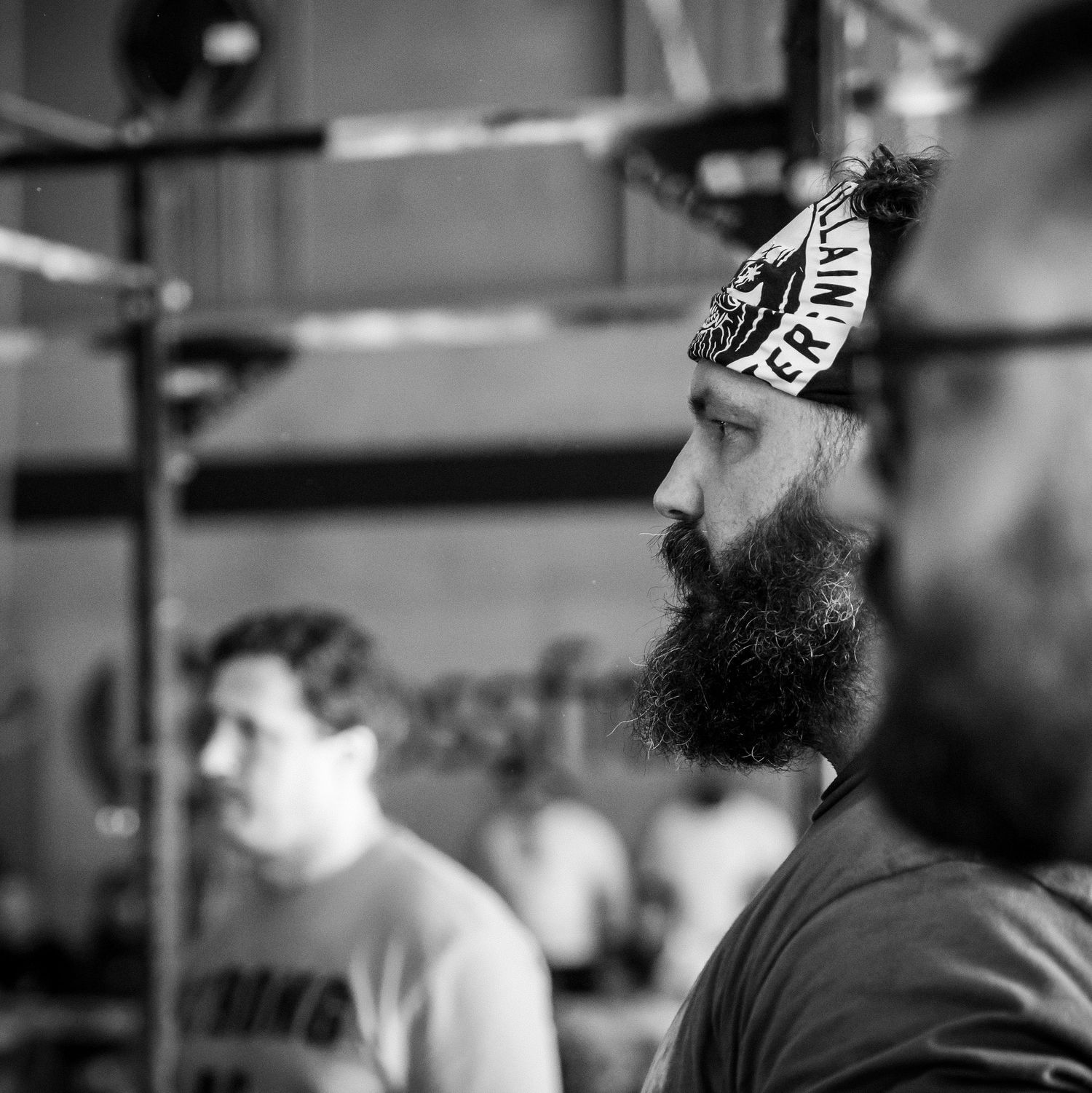
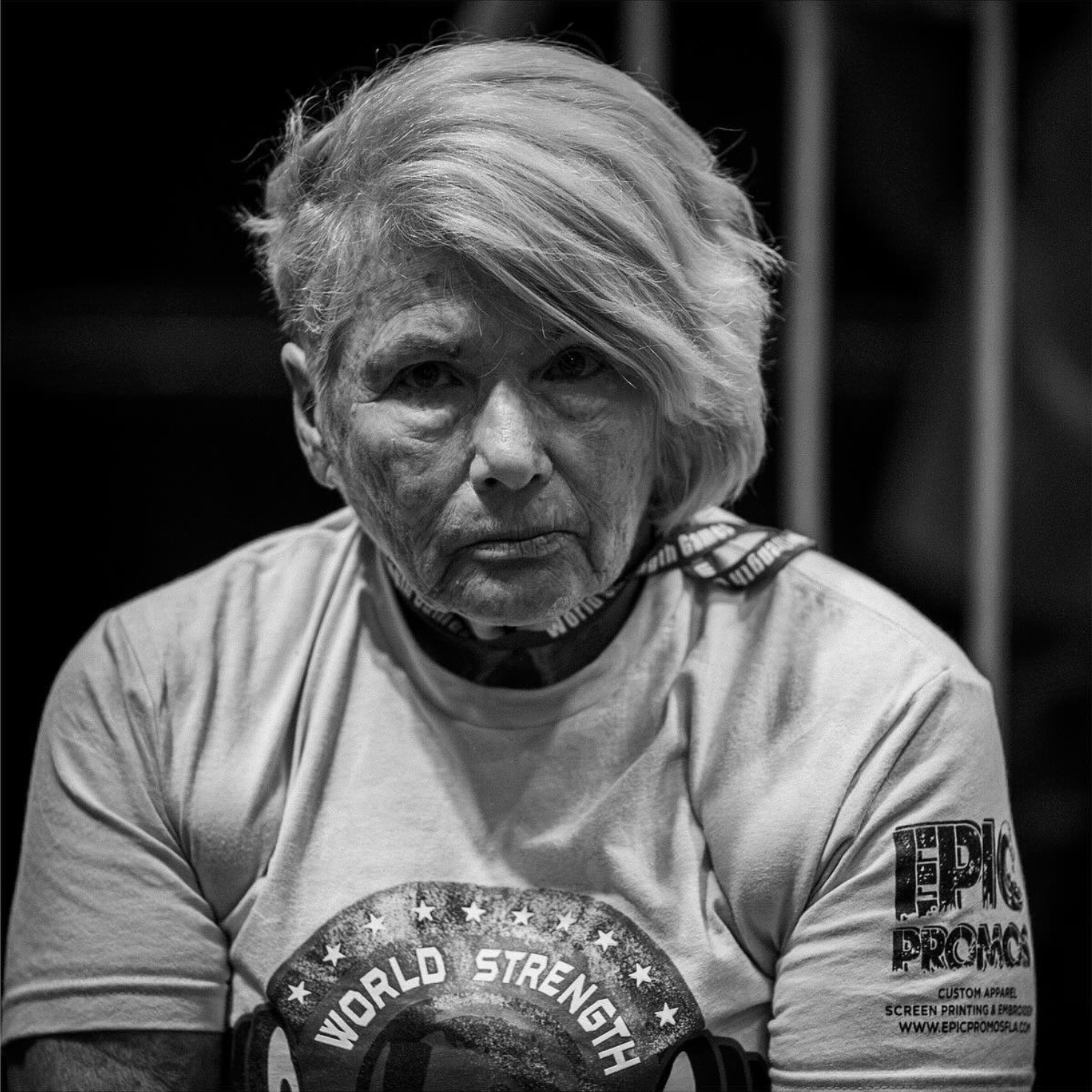
The stigma surrounding mental distress in men weighs heavily on their shoulders, like an invisible burden they’re told to bear in silence. Society’s unspoken expectations of stoicism often leave men feeling isolated and unable to express their emotional turmoil. This isolation can lead to a profound sense of loneliness and despair.
Breaking down this stigma becomes not just an aspiration but a lifeline. It’s a call to arms for empathy and understanding. Men should never have to hide their need for help behind a facade of strength. We must create safe spaces where they can open up, share their vulnerabilities, and seek support without fear of judgment.
The journey towards this change is marked by courage, tears, and, ultimately, the liberation of the heart. It’s about recognizing that emotional well-being knows no gender and that we’re all deserving of compassion and assistance when the shadows of mental distress loom large.
- John Banks
Day 11: Time
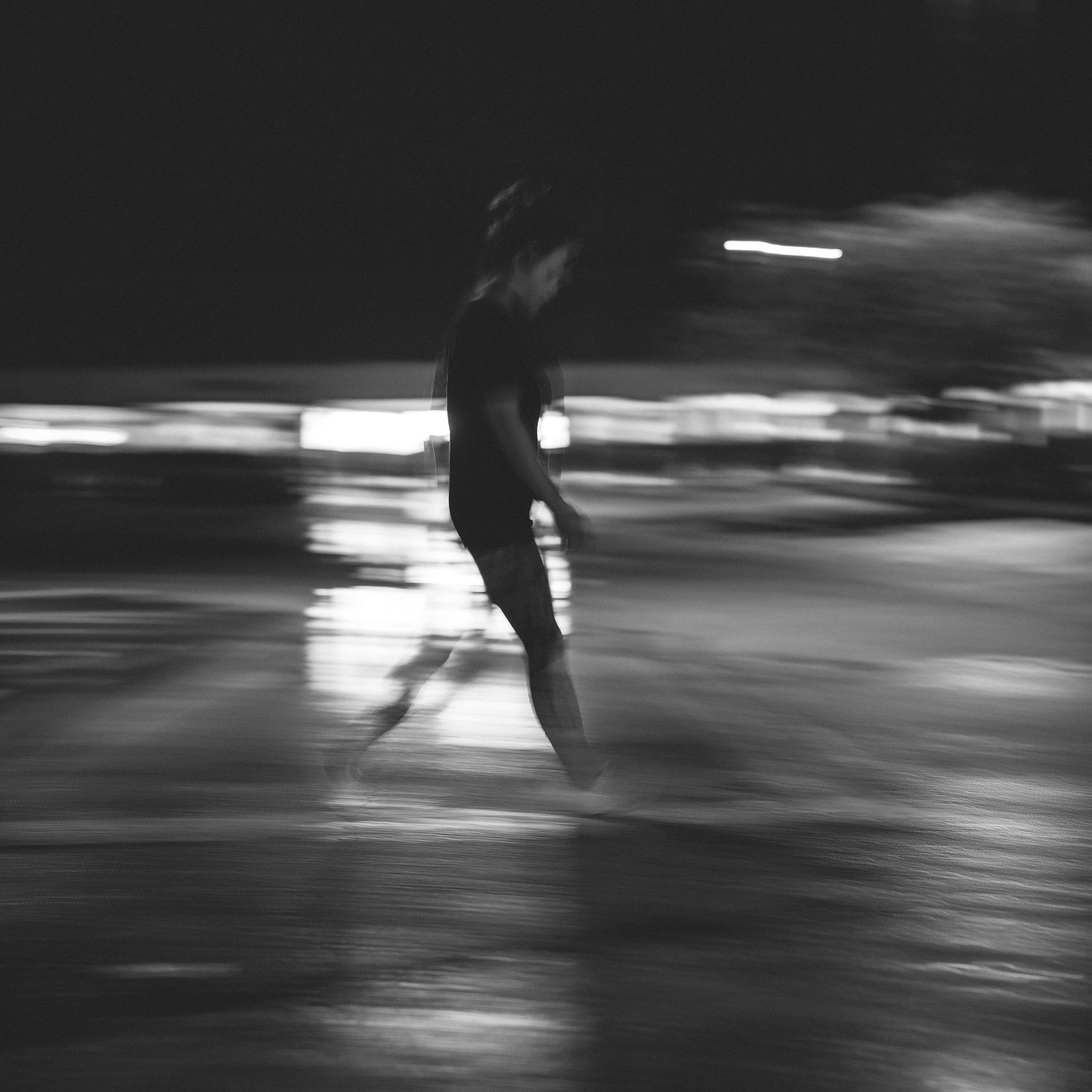
Time, in the context of mental health, holds a profound significance, especially for those of us whose childhoods were marked with flaws and difficulties. Just as the passage of time can smooth rough edges and heal wounds, it can also help in coping with life's challenges. It allows us to grow, adapt, and learn, even from the harshest experiences. While we may bear the marks of our battles, we emerge from them with newfound strength and resilience, a testament to the enduring impact of time on our mental well-being. Our journeys may weather us, but we have the power to not let it break us.
Day 12: Panic
It's a sudden and overwhelming feeling of impending doom, leaving you shaky, uneasy, and drenched in sweat. My first experience with it landed me in the hospital, convinced I was having a heart attack. The more you try to make sense of it, the worse it gets.
Panic attacks are stealthy, striking out of nowhere and often without reason. It's like a voice inside your head conjuring every worst-case scenario. Is that man by the restaurant door a threat? Or perhaps, it's a haunting trigger from a childhood trauma, like the scent of cologne that once brought terror. Dealing with panic attacks is navigating a maze of uncertainty and fear, where the line between reality and anxiety blurs.
The way out, is through the wound.
Day 13: Sabrina
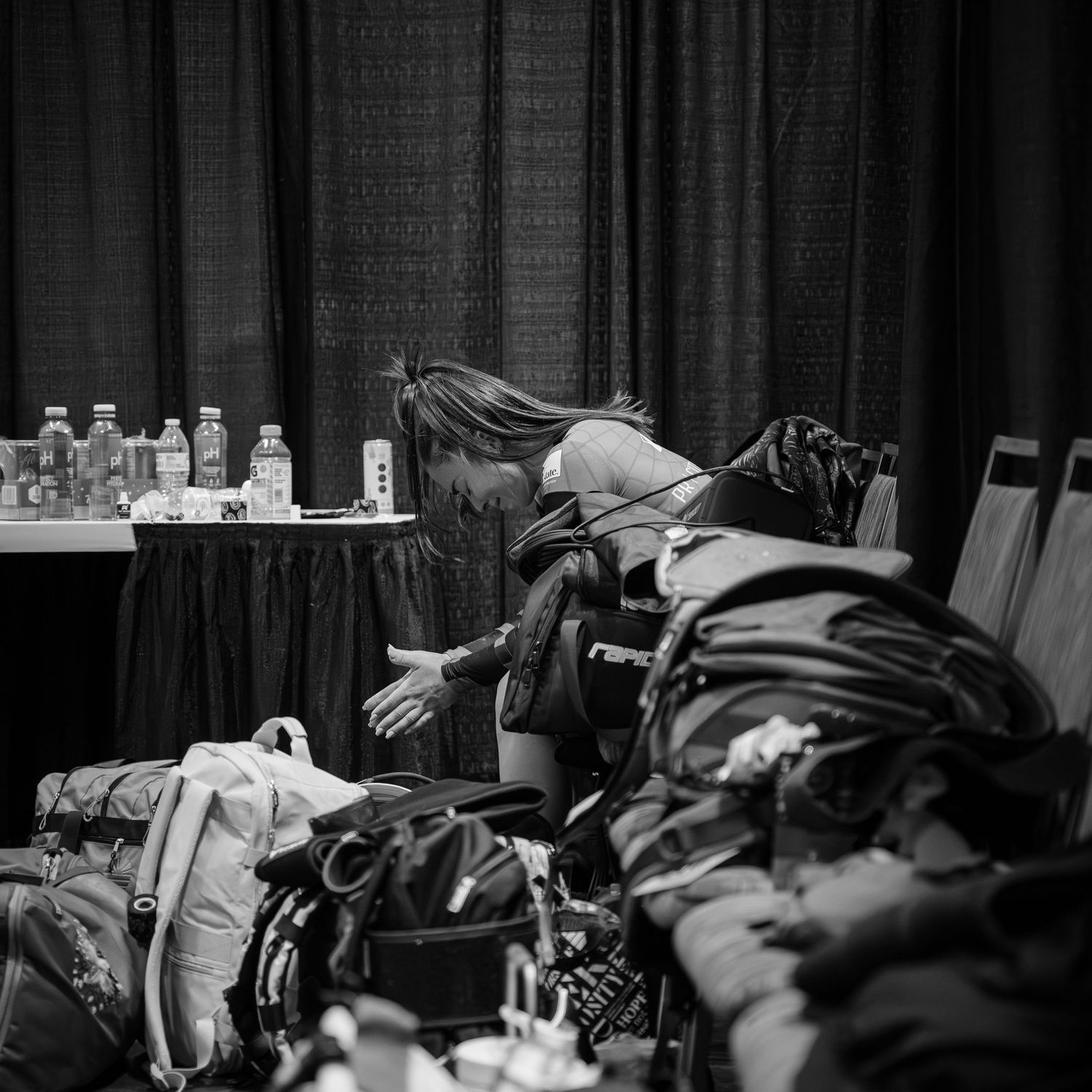
In this photo, I felt like a failure. During my early years in club gymnastics, we faced strict consequences for failing too many times. Discouraging criticism instead of constructive feedback. I've tried to be more forgiving of myself now, but at that moment, I believed I could have performed better if I maybe hadn't gone on vacation. You never know, and you have to maintain faith and resilience. But at that moment, I undoubtedly broke down and felt like a failure.
This feeling has affected every part of my life, but I've learned that encountering small obstacles doesn't make me a failure. I've had moments of breakdown, especially when criticized. It took time to embrace vulnerability and develop healthy coping tools. I believe I have a better grip on it now. It's a combination of knowing there are people who can support me, having trustworthy friends I can talk to, and having a therapist I'm close to. I've been through several therapists before her, initially thinking it was a waste. Once I got to know her and developed a connection, I felt comfortable discussing anything with her. I understand that I have scars, but having someone who won't judge you, and instead helps you, has made a significant difference.
I once feared the stigma surrounding mental health, dreading that it might be seen as a weakness, causing me to keep my struggles hidden. People often assume that those who appear to have it all couldn't possibly experience depression, unaware that it's often an accumulation of minor issues that can lead to a downward spiral. While significant triggers can play a part, small ones can be equally impactful. By openly discussing our stories and experiences, we can raise awareness, reduce the stigma, and help people realize they aren't alone in their struggles. This can foster a better understanding of mental health issues and equip individuals to offer support and empathy to those in need.
Day 14: The Face of Mental Illness
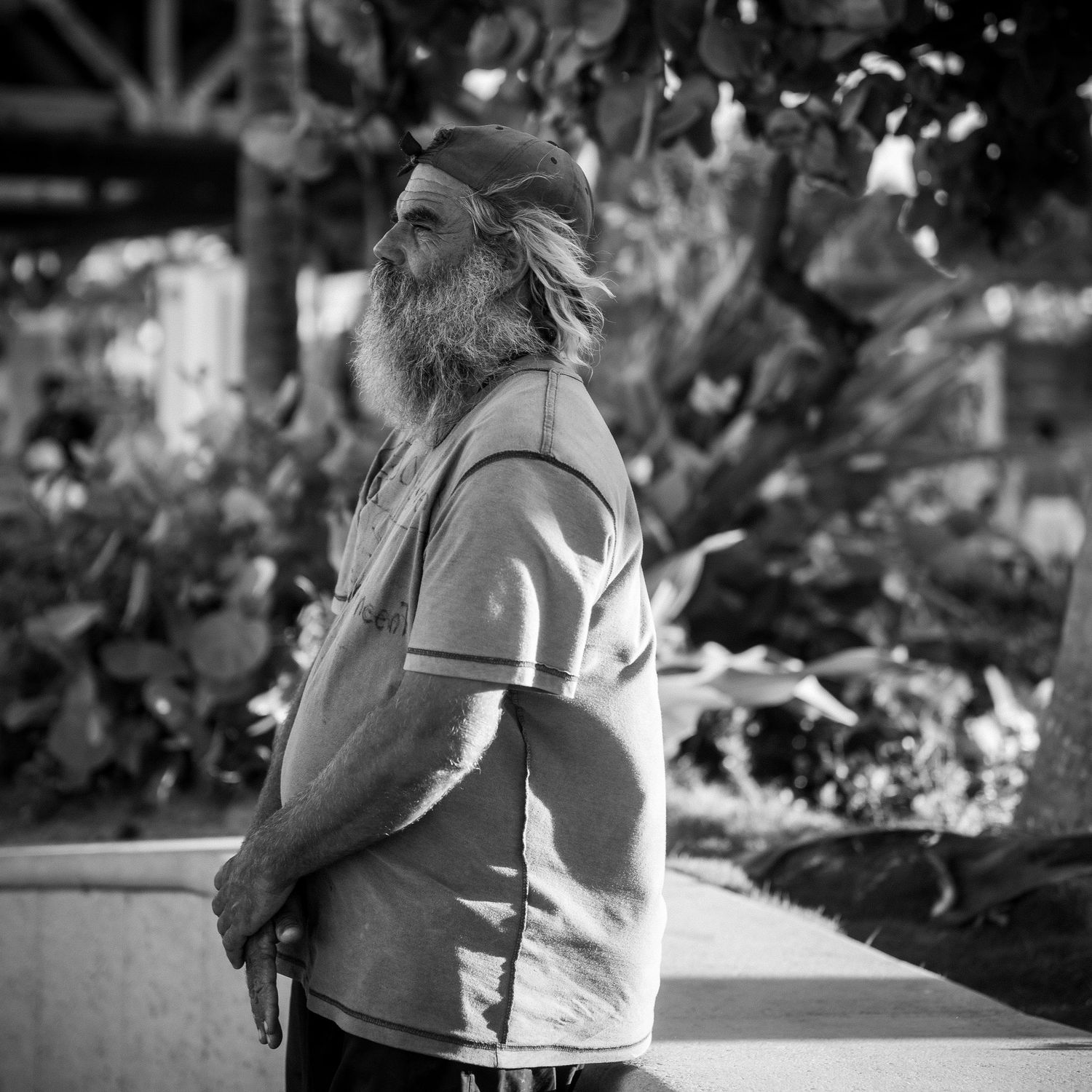
What does someone with a mental illness look like? A sea of faces, each harboring their own silent struggles. Many have perfected the art of blending in, mastering the delicate dance of concealing their inner turmoil just enough to fly under the radar of others. The truth is, anyone, at any given moment, can be grappling with the shadows of mental illness.
The waiter at your favorite restaurant, who bravely battles panic disorder. In the midst of taking orders and serving dishes, they may find themselves withdrawing to the bathroom to catch their breath, hidden from the prying eyes of the guests enjoying their beautiful night out. Or the mother of three, who remains stoic in strength and resilience but secretly fights the overwhelming thoughts of suicide due to untreated major depressive disorder. She smiles for her kids - a mask, concealing the true pain within. Even the firefighter, the embodiment of courage and heroism, is not immune to the struggle of mental illness. Although she may have just saved someone's life, behind the uniform lies her own battle with PTSD, a battle she fights silently, behind closed doors.
There is no single face for mental illness. It does not discriminate based on race, gender, age, or social status. It lurks in the shadows, affecting the lives of individuals from all walks of life. The facelessness of mental illness reminds us that it can touch anyone, regardless of how well they may hide it.

Day 15: Reflecting
Today is the final post of this series, but it's just the beginning of a project that I hold close to my heart. This has been a source of pride for me, pushing me to confront challenges I was not fully prepared for.
One year ago, I started to dive deeper into finding meaning to life, to better understand my own pain and suffering. I chose to immerse myself in photography, hoping to find this sense of purpose. I not only discovered it but also a burning desire to share it through my lens. My goal is to show at least one person that they are not alone in their struggles. Through trauma, there is a profound significance to be found in your own journey. Countless others are out there are battling similar experiences.
I hope that this has been helpful or, at the very least, interesting for you. I will continue to share this topic and the stories of others. I want to extend my love to everyone who reached out, eager to share, and for the overwhelming support you've provided. It was your voices and stories that made this.
Reflecting, I have some takeaways. I've learned to prepare my own mental well-being before I dive into these stories. It was not an easy, and there were moments when I needed to step away. To connect with these stories, I had to be vulnerable. I've come to realize that healing is a deeply personal process, and what worked for me may not work for someone else. There is an infinite amount of ways to heal; it's just a matter of dedicating time to self-discovery.
I also saw firsthand how many of us hide behind masks, especially men. There is a need to rewrite the narrative around masculinity, allowing men to take on their mental struggles just as they would physical ones. It's okay to be mentally unwell, just as it is to be physically ill. Only about 5% of those who reached out to me about this series were male.When in fact 1 in 5 people will experience some sort of mental illness in their life.This comes as a reminder that mental illness knows no gender boundaries.
Please let me know whether this has been helpful, and if you'd like to see more in the future. Thank you for going on this journey with me.
This is far from the end;